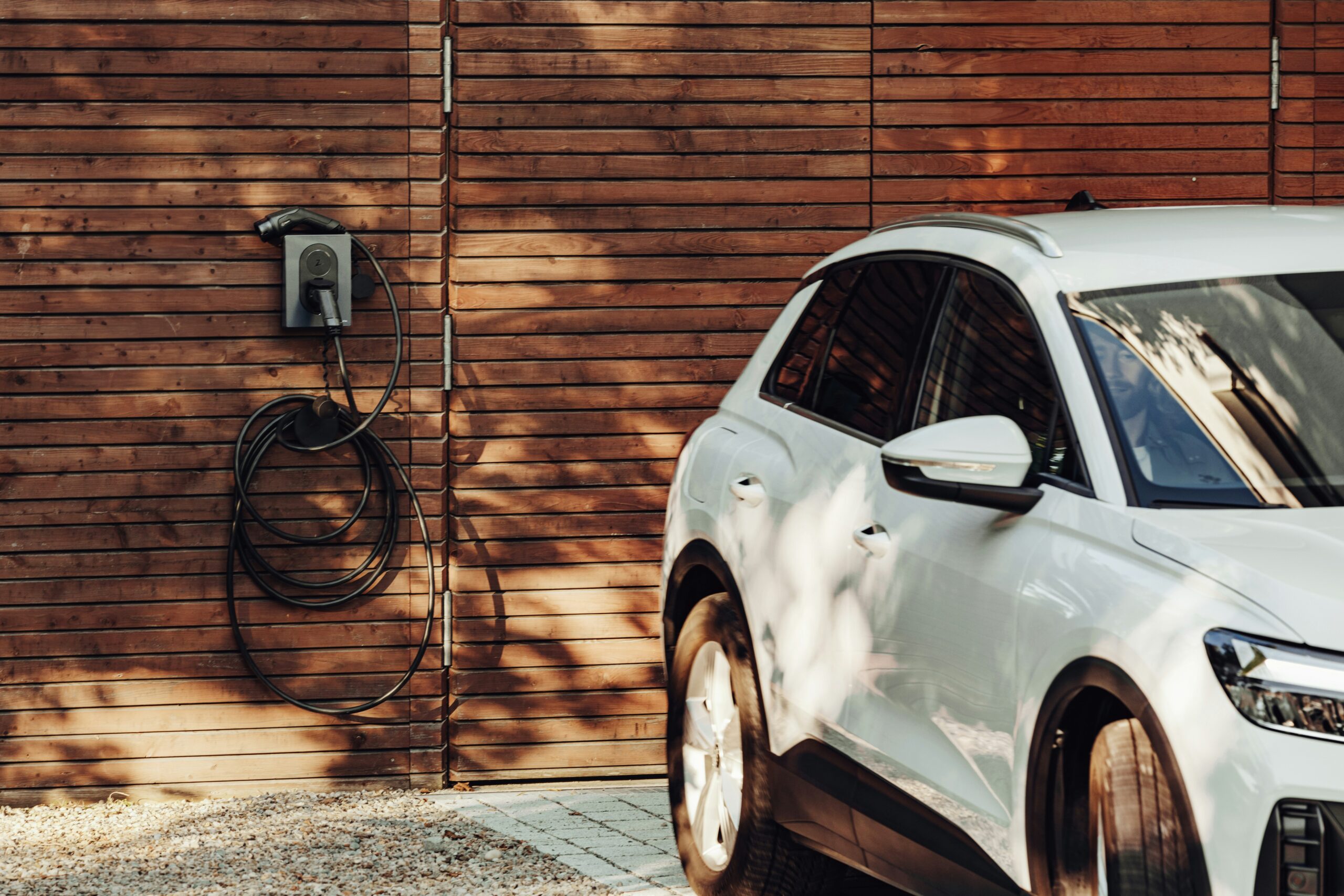
Bought an EV, or about to? The charger decision matters more than most people expect — and the right answer depends on your panel, not just the car. Here is what to sort out before you buy hardware.
Level 1 vs Level 2
Level 1 uses a standard 120V outlet and adds only a few miles of range per hour — fine for plug-in hybrids or very low daily mileage. Level 2 runs on a 240V circuit (like a dryer) and charges 5 to 10x faster, fully recharging most EVs overnight. For nearly every EV owner, Level 2 is the right call.
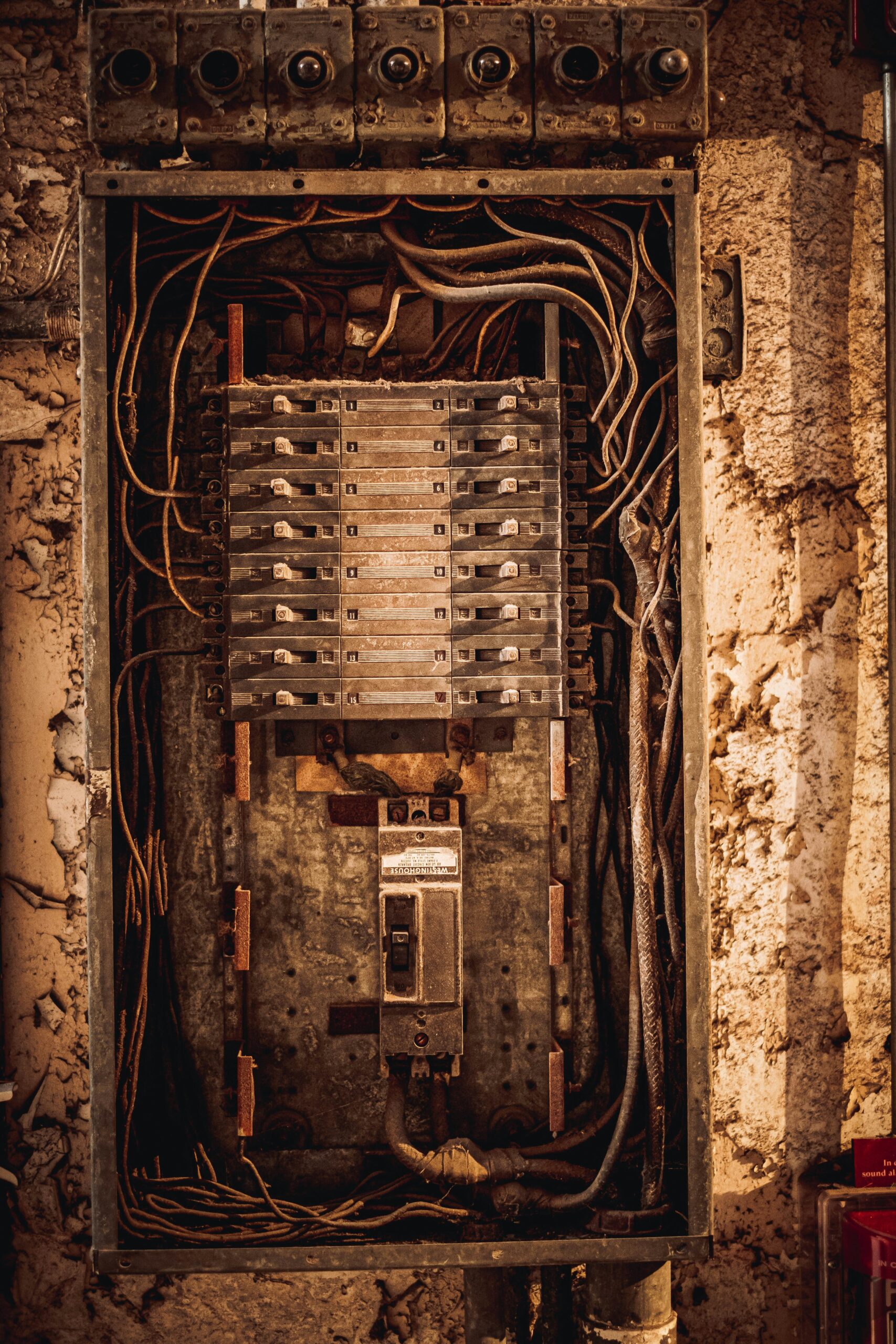
Why your panel comes first
A Level 2 charger draws serious current. Before installing one, a licensed electrician performs a load calculation to confirm your panel has the spare capacity. Many homes do. Some need a circuit reorganization, a load-management device, or a service upgrade first — and it is far cheaper to know that before you buy.
The charger is the easy part. Sizing the circuit and panel correctly is what makes it safe and fast.
Hardwired or plug-in?
A NEMA 14-50 outlet lets you plug in a portable charger and take it with you, but it requires GFCI protection and is limited to 40A. Hardwiring supports higher amperage, is cleaner, and is often preferred for permanent installs. We will recommend based on your charger, panel and where the car parks — then handle the permit and inspection so it is done by the book.