A single power surge can quietly destroy thousands of dollars of electronics — or cause a fire. Yet most homes rely on a few plug-in power strips that protect almost nothing. Whole-home surge protection is one of the highest-value, lowest-cost upgrades a homeowner can make.
Where surges come from
Most people picture lightning, but the majority of surges are internal — generated every time a large motor (AC compressor, refrigerator, well pump) cycles on and off. These small, repeated spikes wear down sensitive electronics over time. External surges from the grid and storms are larger but less frequent.
How whole-home protection works
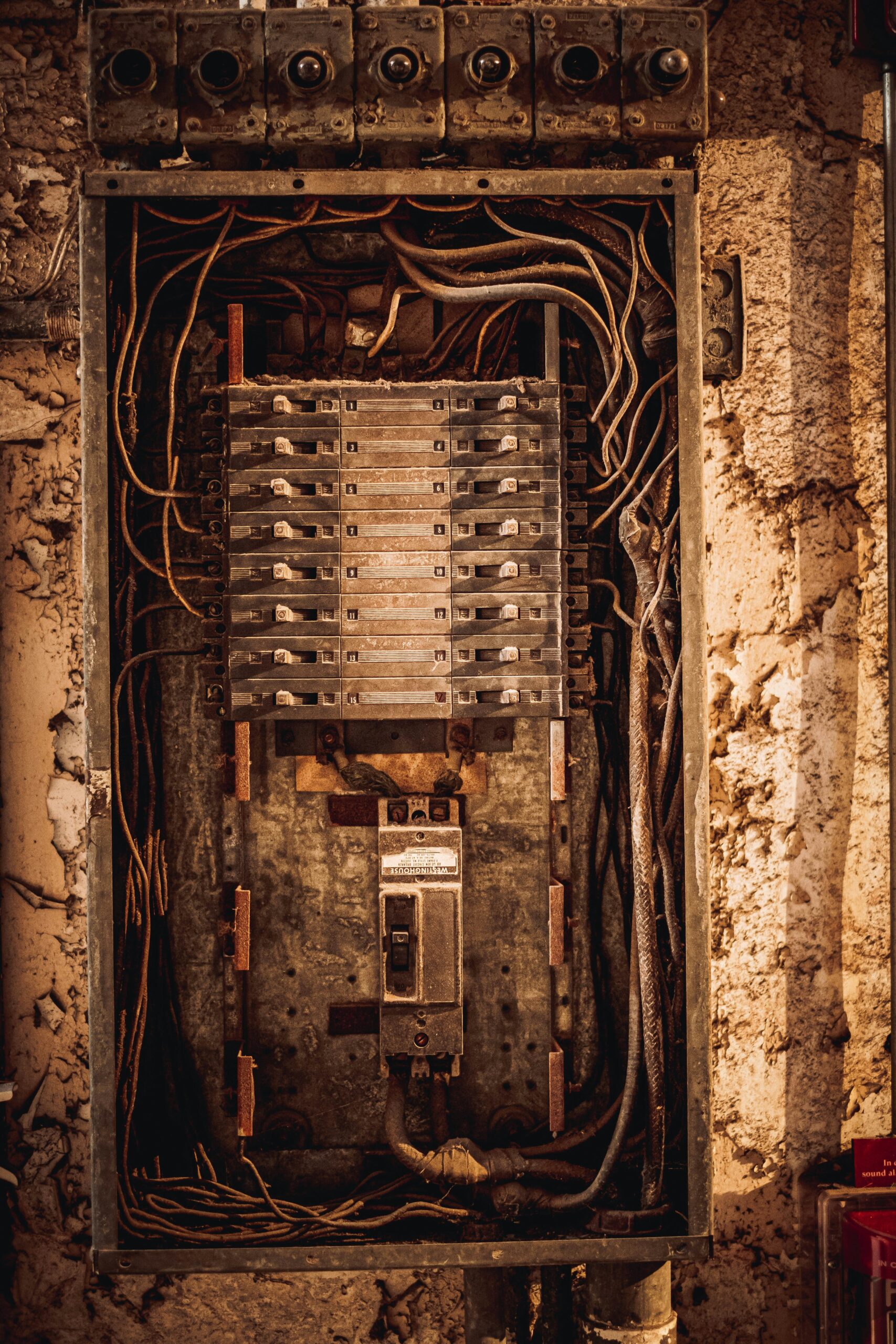
A whole-home surge protective device (SPD) installs at your electrical panel. It clamps incoming voltage spikes and diverts the excess safely to ground before it reaches your circuits. For best results we pair it with point-of-use protectors on your most sensitive gear — a layered approach the way it is designed to be used.
A power strip protects what is plugged into it. A whole-home SPD protects the house.
What it does not do
Surge protection is not a substitute for proper grounding, GFCI/AFCI breakers, or an adequately sized panel. It is one layer of a safe electrical system. During installation we will check that the rest of your setup is sound — because an SPD can only do its job on a properly grounded, code-compliant panel.